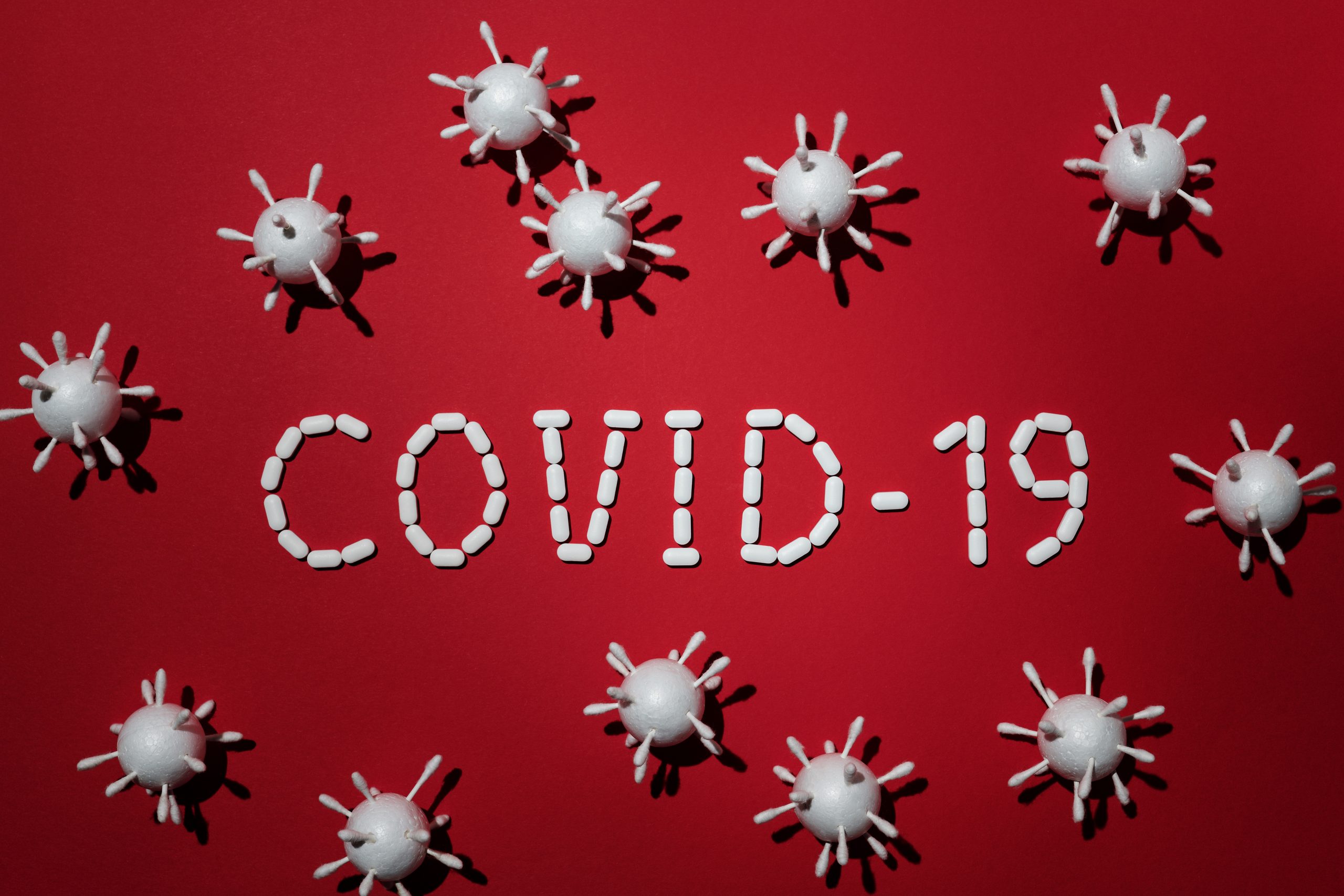
The poem, Covid-19, is a poem that has been worked on to account for the intervention of the coronavirus 2019. It is also discussed so that you learn more about how to appreciate and analyse the poem. Read the similar post on this page.
COVID-19
A plague like a hundred plagues
A man like thousands
The teacher of the disobedient
The boss of the Vatican
A cry of KORO here and there
The dwarf who the giants
A hundred thousand innocents perished
In moments of loss
They drew more tears from sobbing eyes
Olympics suffered
Homes were scampering for refuge
Friends were moaning loudly
All powers were bemused
All authorities were bewildered
All strengths were powerless
All influences were confused
The dragon lizard shut down the global economy
The churches and the mosques sealed
The schools closed down
The clubs and the sports stand still
The companies and businesses are paralysed
Tourism to Jerusalem became forbidden
Pilgrimage to Mecca became prohibited
Travels not allowed again
The pharaoh was not easy to convince
Rapidly spread like wildfire
Streets were uninhabited
Paths were deserted
Roads were unoccupied
Expressways were vacant
Millions were inflicted in a couple of months
KORO, a professional musician
Don’t Cough became the KORO chorus
Don’t Sneeze became KORO Rhythm
Don’t shake hands again, became KORO tenor
Don’t hug each other again became a KORO tune
Keep social distance became KORO soprano
Always watch and sanitise your hands to become KORO bass
Isolate and quarantine yourself, become KORO solo
Always with your face mask became a KORO lyric
Stay at Home became a KORO song everywhere
You who claim to have had less to perform a miracle
You think I am a miracle worker
This is a golden opportunity for you. What are you waiting for?
You don’t experiment with power under your shelter
Your power is useful at the isolation centres
You are needed to cure as many coronaviruses as
To make you a real miracle minister
Arise and send away the pandemic to leave our sanctuary
Poet: Deola Adelakun
Briefs of the Poem
The poem portrays the themes of disaster and death. It draws us back to the recent disaster that engulfed the globe. The occurrences affect human and non-human resources. The poet is concerned about the disaster that results in death.
A hundred thousand innocents perish, and people drew more tears from sobbing eyes. Many people die during the disaster, er and the global economy is paralysed.
Many are shivering and wet because of the disaster new to approximately 95% of the people.
The poet explicates the coronavirus as a monster that taught the world a lesson. Olympic suffered. Friends are moaning loudly. Homes are scampering for refuge.
Tourism and Pilgrimages are forbidden. It is as if the world wants to end. A lot of prophecies about the end of time: even certain people are saying that the disaster occurred due to 4G technology.
It organises us with whips. The poet symbolises the virus as a man like thousands, and the teacher of the disobedient. Millions are inflicted in a couple of months.
The dragon lizard that shuts down the global economy. Nobody can go out again. The poet sees COVID-19 as a musical profession as the different tunes of Koro occupy the mouths of everybody.
Koro’s lyrics and rhythm were coughing, handshaking, hugging, keeping social distance, watching sanitising hands, isolating and quarantining yourself, using your face mask, and staying at home. The cry of COVID-19 and coronavirus here and there.
The poet begs and encourages all miracle ministers to perform their miracles at the isolation centres. Their powers are now useful there to heal as many Koro patients as possible. Also, they are needed to send away leprosy from our land.
Theme
The poem, COVID-19, has several thematic preoccupations in which it more understandable. Some of the identified themes are discussed below.
Theme of Disasters
The poem involves the theme of disasters in which all businesses were affected. The disasters are unknown viruses called COVID-19. The virus struck the world and put all the people in trouble. The disaster is known as the Coronavirus.
Theme of Fear
The poem captures the afflictions and depressions that the virus brings to the planet. It was fearful. The people were in fear because many people died in a short period, and no one knew who would be the next to die during that time.
Also, no one knew when the disaster would end. If we can realise the ordeal of what the virus has caused, it is something we can entertain fear of.
Theme of Suffering
In 2019, the disaster brought suffering as all local and international businesses were closed down. No transactions and no company were opened.
Money was scarce, and food was scarce. Many people suffer from sufficient food, good health, positive news, physical exercise, and other good things.
Theme of confusion
Confusion set in during the coronavirus pandemic. The first confusion is that the disaster was strange to this generation, as 90% of people have never experienced such a thing. The second confusion is that no one could say what the sequence of the strike of the virus. is
Confusion was everywhere, even all the developed countries in terms of economy and technology were in confusion about the unknown.
Theme of Famine
Every nation was in famine. Because of the lockdown, there is no food to sell and no food to buy in the market. Every place was empty in which the economy of each nation was in crisis.
Language and Poetic Devices
Effects of KORO in the poem
There are many negative effects of the coronavirus in the poem. The effects are loss, suffering, paralysis, scarring, prohibition, emptiness, and the desertion of people, businesses, companies, and places of worship.
Preventive Measures against Koro in the Poem
Many measures are suggested during Koro, but some active ones in the poem are suggested here.
It was suggested not to shake hands again, not to hug each other again, to keep social distance, always watch and sanitise hands, isolate and quarantine ourselves, always with our face masks, and stay at home.
Neologism
There are some coinages from indigenous languages into English. The poet deliberately uses those words to add to the beauty of the poem. Some of the words are “Koronised, KORO, dragon lizard, etc.
Stanzas and Lines
The poem has forty-nine lines. The first six lines describe what Koro is about. The following twenty-five lines talk about the negative effects of Koro.
And the other ten lines state the preventive measures of Koro; the last eight lines are the invitation of certain people to find a solution to the cure of the virus.
Figures of Speech
Simile
The poet uses similes such as “A plague like a hundred plagues, (line 1) a man like thousands,(line 2) rapidly spread like a wildfire, (line 26) you are needed to cure as many as coronaviruses.”(line 47)
Personification
The poet uses personifications such as “A cry of Koro here, and there, (line 5) homes were scampering for refuge, (line 11) the dragon lizard that shut down the global economy,(line 17).
Hyperbole
The poet uses metaphors such as “Hundred thousand innocents perished moments to lose,(lines 7-8), people drew more tears from sobbing,(line 9), eyes, all powers were bemused,(line 13).
All authorities were bewildered,(line 14) all strengths were powerless,(line 15) all influences were confused,(line 16) millions were inflicted in a couple of months.” (line 31)
Metaphor
The uses metaphors such as “The teacher of the disobedient, (line 3) the boss of the Vatican,(line 4) a cry of Koro here and there,(line 5) Koro, the music profession. (line 32)
Synecdoche
The poet uses the synecdoche of all powers…(line 13) all authorities…,(line 14) all strengths…,(line 15) all influences…(line 16)
Rhetorical Question
The poet tasks he rhetorical question “…what are you waiting for?” (line 44)
Symbolism
The poet uses the concepts to represent the coronavirus. The concepts are such as, “dwarf…,(line 6) a plague…,(line 1)a man…,(line 2) the teacher…,(line 3) leprosy(line 49).
Word List and Meanings
Plague: A pandemic or an acute, malignant, contagious virus that often prevails in the world
Koronised: Afflicted viruinon people
Scampering: Rushing about hastily in an undignified way; proceeding hurriedly
Moaning: Groaning
Bemused: Confused
Bewildered: Confused
Uninhabited: Empty
KORO: Coronavirus
Practice Questions
1. Explicate the themes recognised in the poem
2. Explain the preventive measures against KORO in the poem.
3. Discuss the negative effects of KORO in the poem.
4. Comment on the poetic use of language in the poem.
5. Comment on the use of synecdoche in the poem.
6. Why does the world fear KORO?
7. Who is invited to find a solution to the disaster by the poet?
 Editors