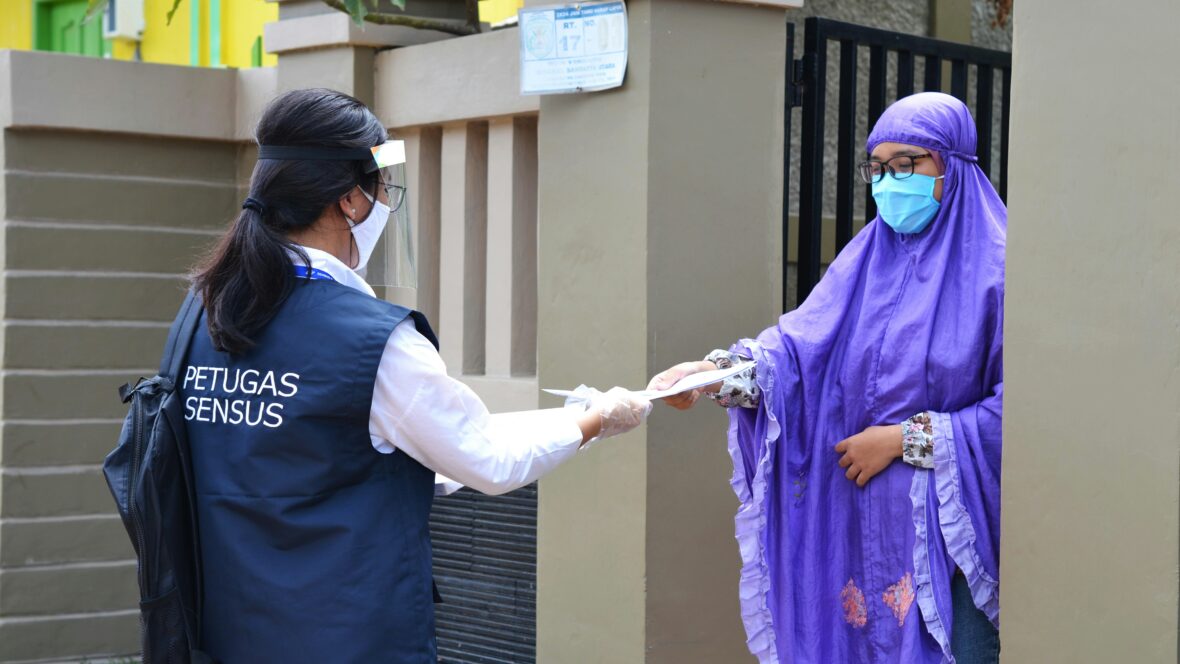
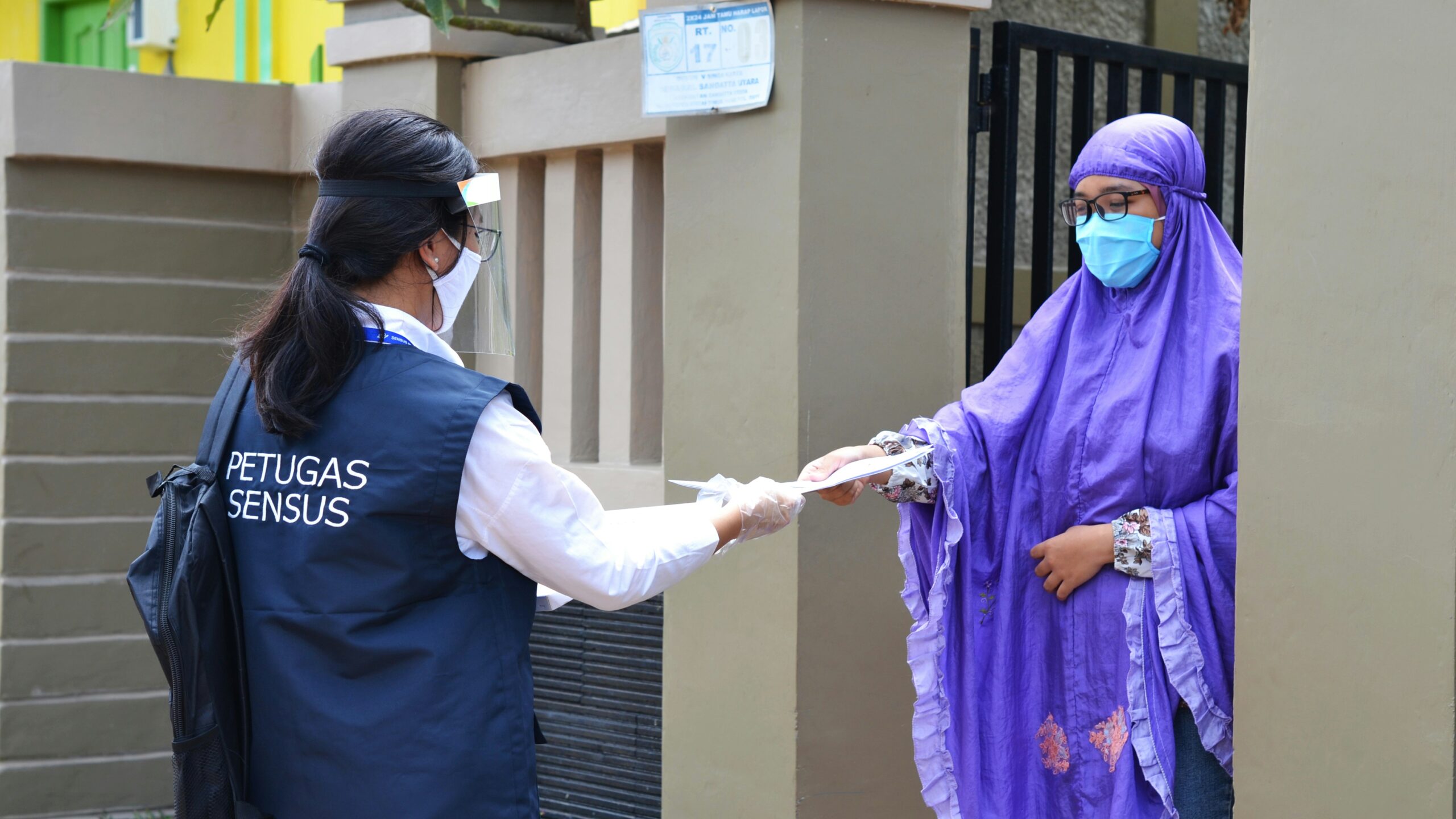
What is the main construction material used for the wall of the structure? This question seeks to describe the type of construction material used for the wall. Household listing occurs when you are in the process of counting the house for the census.
Construction Materials for the wall
You are to observe and, when in doubt, ask the owner or the respondent. If the construction material for the wall is not any of the 1 to 7 below. You can select from the following:
- Leaves/thatch/reed
- Mud
- Nylon/tarpaulin
- Wood/bamboo
- Metal/zinc sheet
- Stone
- Cement/blocks/bricks
- Other
Construction Materials for the Floor
What is the main construction material used for the floor of the structure? This question seeks to describe the type of construction material used for the floor.
You are to observe and, when in doubt, ask the owner or the respondent. If the construction material for the floor is not any not 1 to 8. You can select others and specify.
- Earth/mud/mud bricks
- Wood/bamboo
- Cement/concrete
- Stone
- Burnt brick
- Vinyl tiles are synthetic flooring materials made of polyvinyl chloride plastic (commonly known as PVC). It is used for floor covering.
- Ceramic marble tile
- Terrazzo
- Other (specify)
The Household
The household number will be serialised within each building. The first household in the first residential building will be numbered 001; the next household (if it exists) in the same building will be followed by 003, and so on.
Similarly, households found in the second residential building will be automatically generated by the PAD and will be in the background, not visible to the enumerator.
What is the type of household? This question seeks to determine the type of household that the respondent lives in at the time of the household listing exercise. Below are the five options with their examples and descriptions.
Regular/conventional household
This is a person or a group of persons living together as a unit, with a common feeding arrangement, with one person recognised as the head of the unit. This may be found in any of the housing units listed below.
- Occupied housing unit
- Homeless household
- Nomadic housing unit
- Fishing and hunting housing unit
- IDP/Refugee housing unit
- Government settlements for IDPs
- Community-supported housing units (IDPs).
Institutional household
It is a group of people found in a facility that accommodates them based on the services provided by the establishment.
They are usually not related, and the institution has an inventory of the occupants. These can be subdivided into long-stay institutions or short-stay institutions.
Institutional long stay
These are institutions that accommodate people who are meant to stay for a relatively long time. Examples of long-stay institutions are as follows:
- Basic Boarding Schools, such as kindergarten, primary, JSS
- Senior High School Boarding House as SSS, Secondary
- Colleges (Nursing, etc), boarding housing
- Service training institutions (police training, etc.)
- University/Technical university/polytechnic/university colleges/colleges of education hostels
- Seminary/Theologian school-hostels
- Monastery/convent-hostels
- Private hostel
- Orphanage/old people home
- Mining camp/road camp/farm camp
- Refugee camp
- Correctional centre
- Leper settlements (Leprosarium)
- Internally displaced persons camps
Institutional (Short stay)
These are institutions that accommodate people who are meant to stay for a relatively short time.
Examples of these institutions include Hospitals, polyclinics, clinics, health centres, remand homes, police cells, Divine healers, prayer camps, herbal healing centres, bone setters, hotels, guest houses, lodges, etc.
Floating/Transparent population
Floating and Transparent households are found in places such as Transit Post, e.g. the Railway Station, Lorry Park, and Market (Inside or outside).
Diplomatic Corps
These are households of citizens of foreign countries who are employees of Embassies, High Commissions and Consulates living in the offices or their private residences.
Residency Type
Ask about the type of residence of this household.d
This question seeks to determine the type of residence that the respondent lives in at the time of the household listing exercise.
There are 25 different types of residences identified for the 2023 population and housing census. You can choose the type of residence that applies to each structure.
Occupied housing unit
It is a residential house occupied by a regular household during the census enumeration.
It could be a building or some form of shelter arranged for human habitation and occupied by the household.
Homeless households
These are identical to regular households except that they do not have a fixed dwelling at the time of enumeration.
The reason for being homeless can be natural disasters, bandit activities or insecurity, demolition by authorities and so on. A homeless household can be made up of one or more members.
Nomadic housing unit
These are persons who migrate from one place to another in search of pasture for their animals, such as some Fulani.
They do not settle in one place for a long time. Some stay in a play for only a few days. They are usually found living in groups, with identifiable households, staying in semi-permanent structures.
Fishing and hunting housing unit
These are people on fishing or hunting expeditions who are not returning to their regular homes at the time of enumeration.
They may spend days on the water or in the bush and may bring their crafts/boats to anchor at a particular point, which is outside their regular homes for sale or preservation of their catch.
Internally displaced persons camps
These are camps inhabited by people who are forced to move from one place of residence to live temporarily in another within the country.
IDP/Refugee housing unit
It refers to the housing occupied by or owned by IDPs or refugees and has the structure of a household, but not in the IDP camps.
Government settlements for IDPs
This refers to the housing unit provided by the government to accommodate IDPs that have the structure of a household, but not in the IDP camp.
Community-supported housing units (IDPs)
It refers to the housing unit provided by acommunityi, ty including a faith-based organisation, the purpose of accommodating IDPs that have the structure of a household but not in the IDP camps.
Basic Schools (Kindergarten, primary, JSS)
These are senior High Schools that are boarding.
Senior Secondary School (SSS, Secondary)
These are Senior High Schools that are boarding.
Colleges (Nursing, etc.)
These are colleges that are boarding.
Service Training Institutions (Police Training, etc.)
These are boarding residences within service training institutions, such as police training and military training institutions.
Please, if there are residential housing units within the same compound as the institution, they should be treated as regular households.
University/Technical university/ polytechnic/university colleges/colleges of education
These are boarding residences within tertiary institutions. Please, if there are residential housing units within the same compound as the institution, like staff quarters, they should be treated as regular households.
Seminary/Theologian school
These are seminary/Theological schools that are boarding.
Monastery/convent
These are institutions where monks and Rev. Sisters stay.
Leper settlements (Leprosarium)
These are centres where people infected with leprosy lepers) stay.
Basic credentials from enumerations
Name of the head of household
Type the full name of the head of household in capital letters beginning with the surname, followed by the middle and the first names. Do not type abbreviated names, and do not type any titles before the name.
In case you are unable to get the full name of the head of the household, type in any other names that he/she is popularly known by (nickname).
The sex of the head of household
Select the sex of the head of household as either Male or Female.
Contact number of the head of household
Type the functional telephone number of the head of the household.
The contact numbers of any of the household members could be taken if the head has no telephone number. If the telephone number of any of the members of the household is not known, record 99, and if you don’t have record 98. You can read more similar posts on our news page of the site.
 Editors
 adminate