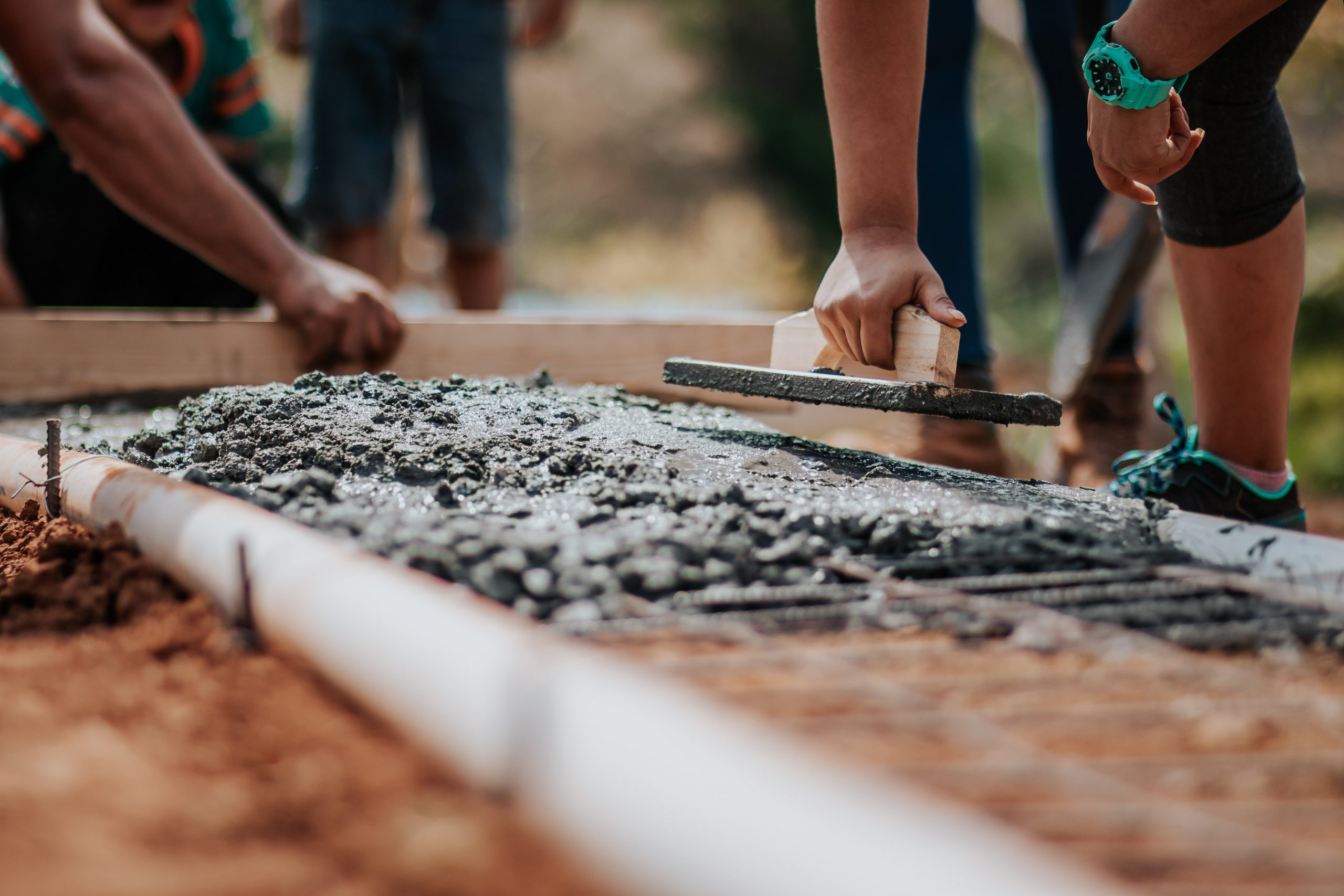
Community development constitutes a major focus of adult education, as no community can attain the desired level of growth and development without self-help. This article will examine tips that can develop the community.
Health
Health education programs can be organised for the community to improve their personal and public hygiene.
Poor sanitation, poor feeding habits, poor water supply for drinking and domestic use, ignorance of communicable diseases, and poor infant care have made rural dwellers suffer serious attacks of diseases.

Health education programs can focus attention on personal and communal cleanness, infant mortality, and disposal of refuse, clothing, illumination, and ventilation, the care of bedrooms, kitchens, and utensils.
Community development officers should elicit the support of resource persons to ensure the success of each of the programs.
Housing
The cooperative approach to the provision of basic needs has become conventional in the local communities.
The co-operative and self-help methods can be used by the rural dwellers for the provision of public facilities such as toilets, assembly halls, schools, buildings for adult literacy classes, incinerators, associations’ buildings, and bus stops.
Co-operatives
Co-operative marketing, thrift, and credit societies have become very popular in many communities for promoting thriftiness and financial support to their members.
Funds are contributed by the members and are lent out to them for meeting various obligations ranging from commercial to domestic. Little interest is charged on the money lent to its members.
The cooperative consumer shops can be organised where members can buy on credit and at a reasonable price.
Agricultural Extension
Agricultural extension is one of the veritable means of enhancing integrated rural development. Improved productivity demands that rural farmers are equipped with scientific and technological methods of farming.
Therefore, they need sound education on the use of fertilisers, insecticides, modern implements, and product marketing.
It will be realised that some of the major factors inhibiting development in agriculture are. It includes irregular rainfall, drought, diseases, lack of education, a crude method of farming, and conservatism.
Since the rural farmers have been used to a stereotyped pattern of farming, the success of agricultural extension. It resides in the ability of the field officer to effect changes in the behaviours and beliefs of the farmers.
He has the responsibility for making them sufficiently understand, accept and put into use the new knowledge they have acquired.
Farmers should be educated to improve production by applying science and technology in farming and husbandry. The extension officer should employ some persuasion rather than coercion.
Home Economics
One of the objectives of every woman is to be a successful mistress in the home.
Home Economics is mainly concerned with housewives, especially the strategies for managing the home, cooking food, nurturing children, beautifying the house, and showing courtesy to guests.
It respects husbands and extended family, keeping residential premises clean, taking care of bedrooms, and providing an appropriate diet. It relates well with neighbours, wearing decent and dignifying dresses and supervising her husband’s dress and appearance.
Home Economics education also affects men and the entire family. They all have the responsibility of ensuring an orderly environment.
Men should provide the resources for keeping prestigious homes and supporting the women in training their children to become acceptable members of the community.
Basic Infrastructures
Some of the basic infrastructures that could be initiated and enjoyed by the rural dwellers. It includes better water supplies, electricity, access roads, telephone services, postal services, market stores, etc. These amenities will improve the standard of living of the rural dwellers.
Recreation
The local communities have a variety of recreational activities, and these include storytelling, riddles, and jokes.
Ayo Okoto, swimming, mountaineering, wrestling, fishing, hunting, singing, drama, etc. Incidentally, with the growing civilisation advancement in technology and population drift from the localities to the metropolis.
Most of these traditional recreational activities have been de-emphasised, Ashok (1980) observed that in rural life. It becomes dull and dwellers are likely to face problems of alcoholism, quarrels, litigation, and waste of money.
Since recreation and entertainment are essential aspects of integrated community development, a program can promote community spirit and public entertainment.
To preserve cultural heritage, the community development officer should build into his program local activities such as drama, masquerade, dancing, storytelling, wrestling, etc.
Rural Industries
Community development can be encouraged through the galaxy of arts, crafts, and vocations available in the local community, small-scale industries such as carving, weaving, pottery, soap making,
blacksmithing, clothing, basketry, sculpturing, painting, decorating, carpentry, building, barbering, drumming, plaiting, dress-making, boat-making, leather-working, mat-making.
Bead working, gold washing, brass working, dying, food-selling, wine-selling, wine tapping and animal husbandry.
The small rural industries should take into account the needs of the locality, the availability of raw materials, and the products they produce.
The rural industries have the potential to reduce the migration of young school leavers from rural areas to urban areas because of employment opportunities that are likely to be available in rural settlements.
The standard of living of the villagers will also be improved, and interaction with the outside communities will be higher as they mix with other people during the process of buying and selling.
There is also the likelihood of intermarriages and cultural assimilation as people from different communities mix freely in the marketplaces.
Literacy Classes
An integrated community development program is mainly concerned with the education of the community.
It is the ability to read and write that helps to improve their level of citizenship and political awareness. Learning should be gradual and motivational.
Community Development Training
Community Development program promotes awareness among the members of the community. It initiates development through communal effort without necessarily relying on the government for its local development.
Community development requires the derive of the rural dwellers and especially the opinion leaders who could mobilise the villagers to action.
The community leaders, therefore, need training in leadership, record-keeping, motivation, coordination, supervision, and management of funds.
Conclusion
Community development is what can bring a lot of facilities to the community, and it can provide for the people living in the community.
We have discussed some of them, such as health, housing, literacy classes, rural industries, cooperatives, agriculture extension, home economics, basic infrastructures, recreation and development training. Read more similar posts on our news page of the site.

 Editors
 adminate