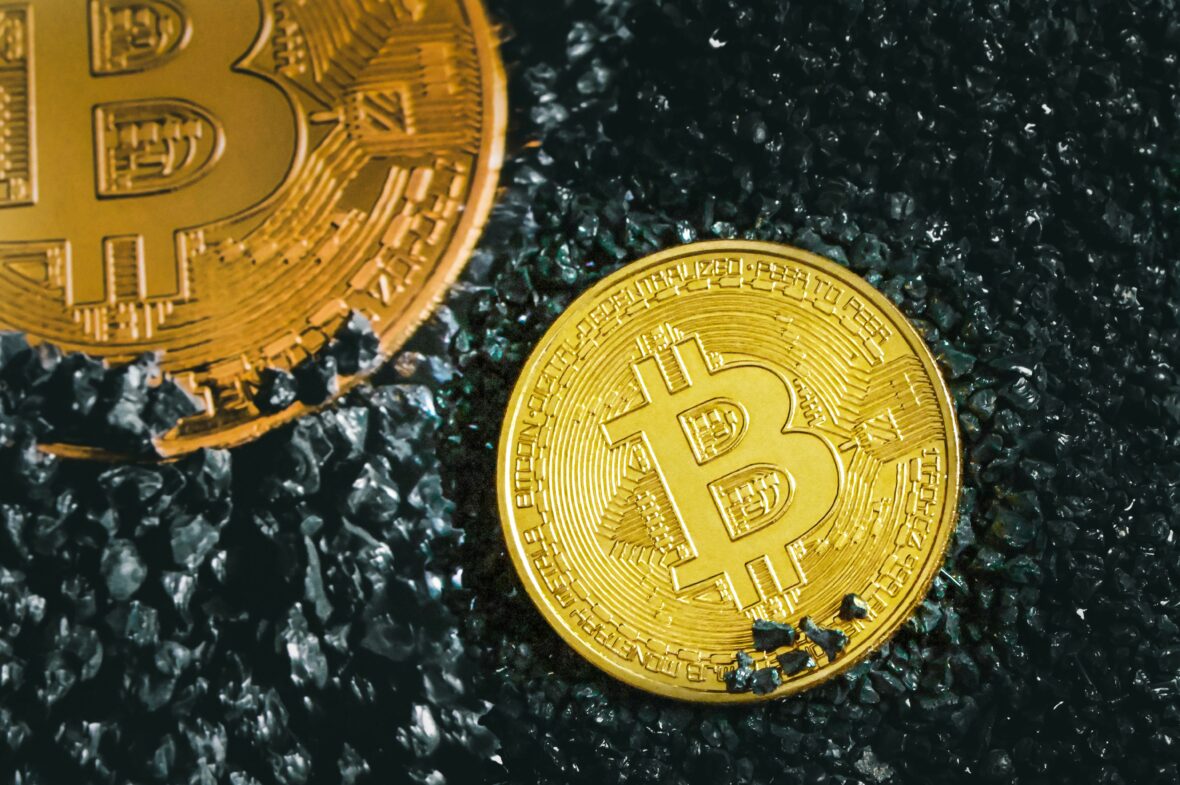
Cryptocurrencies have been one of the most discussed investment topics of the last few years. Where it was once a hobby for computer geeks, it has turned into a fully-fledged investment class that has attracted institutional money, big companies, and even governments.
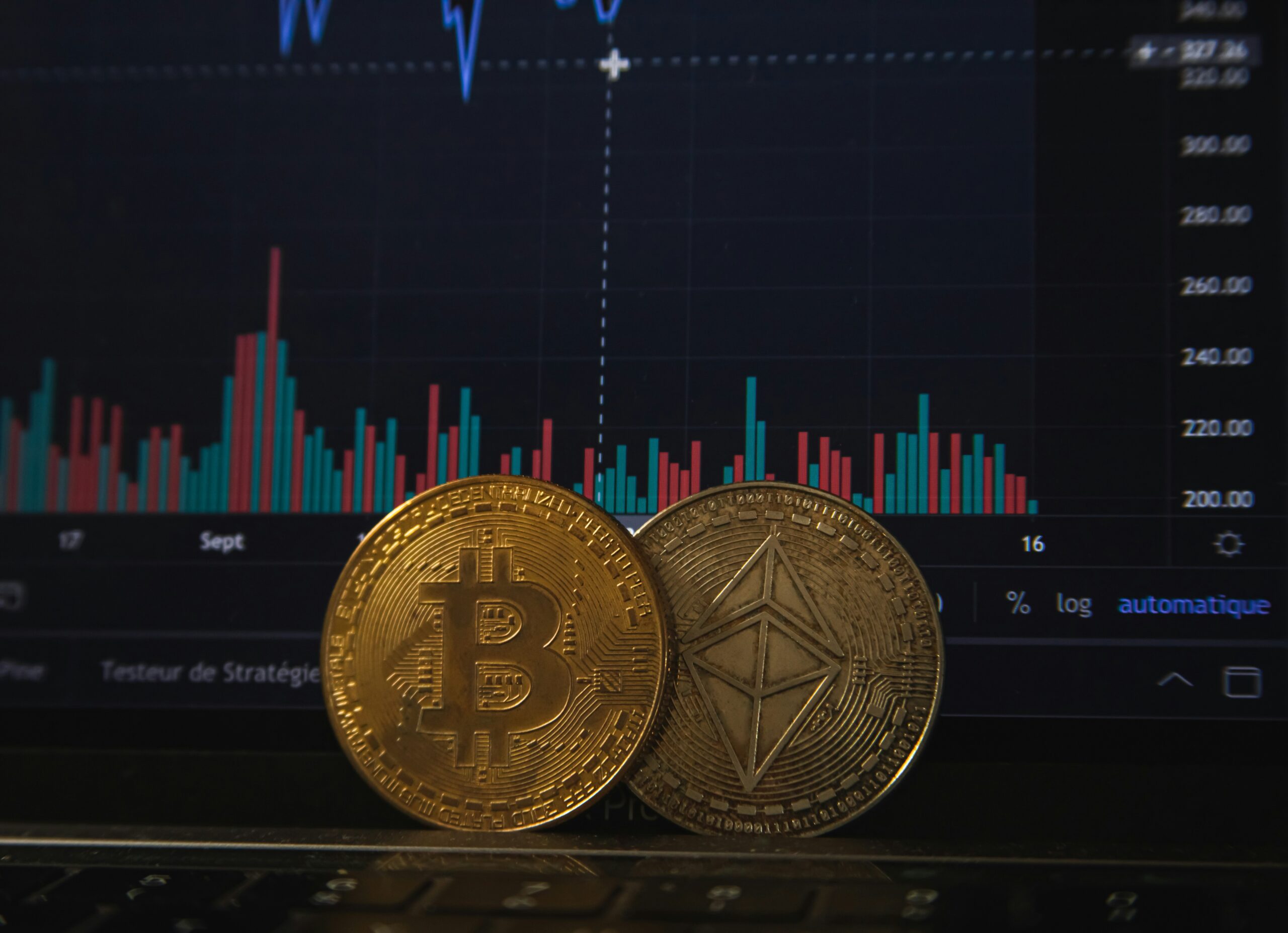
The phenomenon of using cryptocurrencies is relatively new, and the first and perhaps still the most famous of them is Bitcoin. It has gone from a price of a few cents to tens of thousands of dollars, and now it is used not only by ordinary people but also by large funds. Other coins like Ethereum, Solana, and Cardano also exist, and they are favourites, all having one or two special features that differentiate them from others.
1. The State of Social Media and Social Business
The rise of cryptocurrencies can also be attributed to an increase in decentralised finance or DeFi adoption. DeFi applications enable people to access financial services like lending, borrowing, and trading on a platform, but there are no middlemen like banks. This has created new investment and development opportunities for investors and developers, but it has also come with new challenges, especially in security and regulatory aspects.
Cryptocurrencies
Before turning to invest in cryptocurrencies, there is a need to know some of the peculiarities and the unknowns that come with this asset class. While cryptos are investments similar to other customary assets, such as stocks or real estate, they are very prone to fluctuations in value for a relatively short time. Also, the legal framework governing cryptocurrencies is still rather flexible, and the question of government attitudes to this new type of asset remains open.
2. A Game Changer
Perhaps, one of the most important trends in the crypto market is the growing interest of large investors in it. Initially, using crypto-assets in the capital market was considered a feature of the population that actively engages in the internet community and invests in shares. But within the last couple of years, there has been a trend towards more appearance of institutional investors such as hedge funds, asset managers, and even pension funds.
The Attitude
The institutional adoption has been triggered by several factors. First, the attitude to cryptocurrencies has changed, and the idea of investing in them is no longer regarded as a sick dream but as a real and possible opportunity.
The number of institutions involved has increased, and the issues of liquidity and volatility of the price have positively inclined towards the large investors.
Financial Products
Second, the conventional financial products derived from emerging technologies like Bitcoin ETF and cryptocurrency and custodian services make it relatively smooth for institutional investors to invest in cryptocurrencies. The products offer security compliance that has not been offered earlier to the market.
Macroeconomic Environment
At last, it is here that the macroeconomic environment has sponsored the meaning of institutional adoption. As we have record low interest rates and inflation expectations growing, most institutional investors are searching for assets that are capable of offering higher real yields and protecting against inflation. Such securities indeed offer a highly limited supply thus fiat money investors have been gravitating towards cryptocurrencies.
Benefits and Drawbacks
Speaking of the benefits and drawbacks of retail investors, it can be concluded that the appearance of institutional investors in the crypto market has its advantages and disadvantages. It offers more solidity and credibility to the market, which, in turn, may increase the prices and the number of investment offers. On the other hand, it also increases competition and may pull the market towards more regulation, which may prove to alter the market’s positive attributes.
3. Regulation Factors and Environmental Issues
However, being a relatively young financial phenomenon, the market remains a rather problematic one, the problems of which, first of all, are connected with the unstable legal status of cryptocurrencies and their negative impact on the environment. Governments worldwide are puzzled about how to manage this new asset class – on one hand, investors, and he other hand, many illicit activities, all to pursue innovation.
In the United States of America, the Securities and Exchange Commission has been rather conservative in the way they have approached the issue of cryptocurrency; it mainly targets safeguarding investors and ensuring that cryptocurrencies are not in direct violation of the laws governing securities.
The absence of rules
Nonetheless, the absence of definite rules regarding CO2 capture and storage has left several corporations and participants apprehensive of the legal aspects of their particular undertaking.
There are also socially responsible issues that have arisen with cryptocurrency, especially with Bitcoin, which is the dominant force right now.
Bitcoin Mining
The process of Bitcoin mining, whichinvolvess solving complex mathematical problems to approve the transactions, needs much power. Skeptics point at this energy consumption as being wrong, and unhealthy for the climate.
To this end, some cryptocurrencies are considering the utilisation of better energy-efficient solutions, including PoS systems that do not need prodigiously demanding computational resources similar to those needed in PoW mining. Furthermore, some miners are urged to seek new renewable sources of energy to conduct their mining activities.
Environmental Issues
To the investors, it is essential to know about the regulatory and environmental issues prevailing in the cryptocurrency market. On one hand, the possibility of large gross profit rates stimulates the company, on the other hand, there are certain risks and the need to focus on the stability of the market.
4. Supply Chain Redefined
The Effects of the Pandemic on International Business
The outbreak of COVID-19 has altered traditional trade patterns and companies’ sourcing mechanisms in numerous ways. The COVID outbreak in the first quarter caused a global disruption of supply chains, resulting in scarcity of almost all commodities that travel long distances, including drugs, electronics, clothing, and foodstuffs, among others, as production lines were stopped and shipment routes cut.
As economies have begun to open up, the emphasis has been placed towards developing a better supply chain that is less vulnerable to further disruption. Procurement managers have seen the necessity to extend sourcing to other nations and regions in a bid to avoid a concentration in certain locations. This approach is termed as nearshoring or friendshoring, where manufacturing takes place in relatively closer or politically stable nations than distant ones.
It is possible to note that some companies are already moving their production facilities from China to other Asian countries such as Vietnam or India, or even back to the United States or Europe. Such a trend is expected to persist, given that companies aim at minimising shocks and dependency on a particular market in the future.
The Rise of Digital Trade
A newer and rapidly growing form of trade is information trade, which is also part of digital trade. COVID-19 has triggered the use of digital platforms, resulting in a rise in e-commerce, digital services, and data flows across borders. Digital trade is a significant form of trade that has developed into a significant part of the global economy by allowing enterprises to sell their goods and services to regions of the world or any customer without being physically present in that place.
For instance, the case of online selling through online selling platforms like Amazon, Alibaba, and Shopify has been instrumental in the selling of various merchandise by various SMEs across the globe. Digital services like cloud computing, SaaS [software-as-a-service], and online education have also depicted considerable growth fueled by the demand for remote working and online classes.
New Opportunities
But at the same time, new opportunities, such as digital trade, have brought new issues, including data privacy, cybersecurity, and digital taxation. Governments are struggling to decide how to control cross-border data traffic and make digital trade equitable. On the other hand, the business faces legal challenges that arise from a tangled array of legal frameworks globally; it is necessary only to make sure that the business meets the legal requirements of the various markets it operates in.
To investors and businesses, digital trade is an opportunity as well as a challenge, as elaborated next. On the one hand, it creates opportunities for new markets and revenues that hadn’t existed before, especially organisations that were able to adopt digital tools and leverage internet capabilities. Indeed, it demands more profound knowledge of the regulations and the capacity to reshape strategies according to the shifting market environment.
The future of globalisation
Globalisation has become a topic of discussion, especially regarding what effects the coronavirus has on the global economy. Globalisation, for many years, remained primarily a process that moved the sphere of world trade forward and contributed to the integration of the world economy. Still, as the pandemic has uncovered the weaknesses of this model, people started asking whether globalisation will proceed as before.
By and large, one possible consequence is the change in the character of ‘globalisation’ from the presently globalised form of internationalisation of trade and investments towards what might be called regionalisation of the same. Arguably, such trends can be observed, for example, in the stable expansion of regionalisation, including the CPTPP and AfCFTA or the Comprehensive and Progressive Agreement for Trans-Pacific Partnership and the African Continental Free Trade Area, which focus on deepening economic integration in specific geographic locations.
The Consequence
Another possible consequence will be the return to ‘deglobalization’ or a shift toward relocalisation. Organisations and states will prefer domestic markets and products rather than international ones. This is due to fear of economic risks, mostly in industries that are vulnerable and necessary for any nation’s existence, including health, technology, and defence.
It is important therefore to Indonesia, investors, and businesses that they understand the future of globalization. As the present trend will shift towards regionalization and deglobalization it opens new opportunities in some new markets but at the same time protectionism and trade barriers may affect the growth and investment returns.
The Global Economy
Post-COVID-19, the global economy has experienced changes that are quite profound and are changing the economy of nations. The trends outlined below encompass everything from the varied pattern of recovery to shifts in stock markets, cryptocurrencies, and globalisation: all these tendencies have their positive aspects but are also fraught with risks for investors, entrepreneurs, and policy-makers.
Operating in such a context entails knowledge of the potential drivers and prospects for major changes in the circumstances. As for the investor, knowledge about the company and having diversified investments are important in risk management and in getting the most out of it. The businesses will need to be more agile and innovative in this new environment that is on offer.
Change in the Economy
As we go on observing these changes in the economy, it would not be wrong to talk about the fact that the world is shifting to a different era.
Today’s choices will help determine the world economy of tomorrow: The global economy in the future is today’s economic world in the making. Depending on the type of stakeholder you are, whether an investor, business person or just a concerned individual in the new economy, you will have to be involved and informed at all times. You can read more related posts on our business page of the site.

 Editors
 adminate