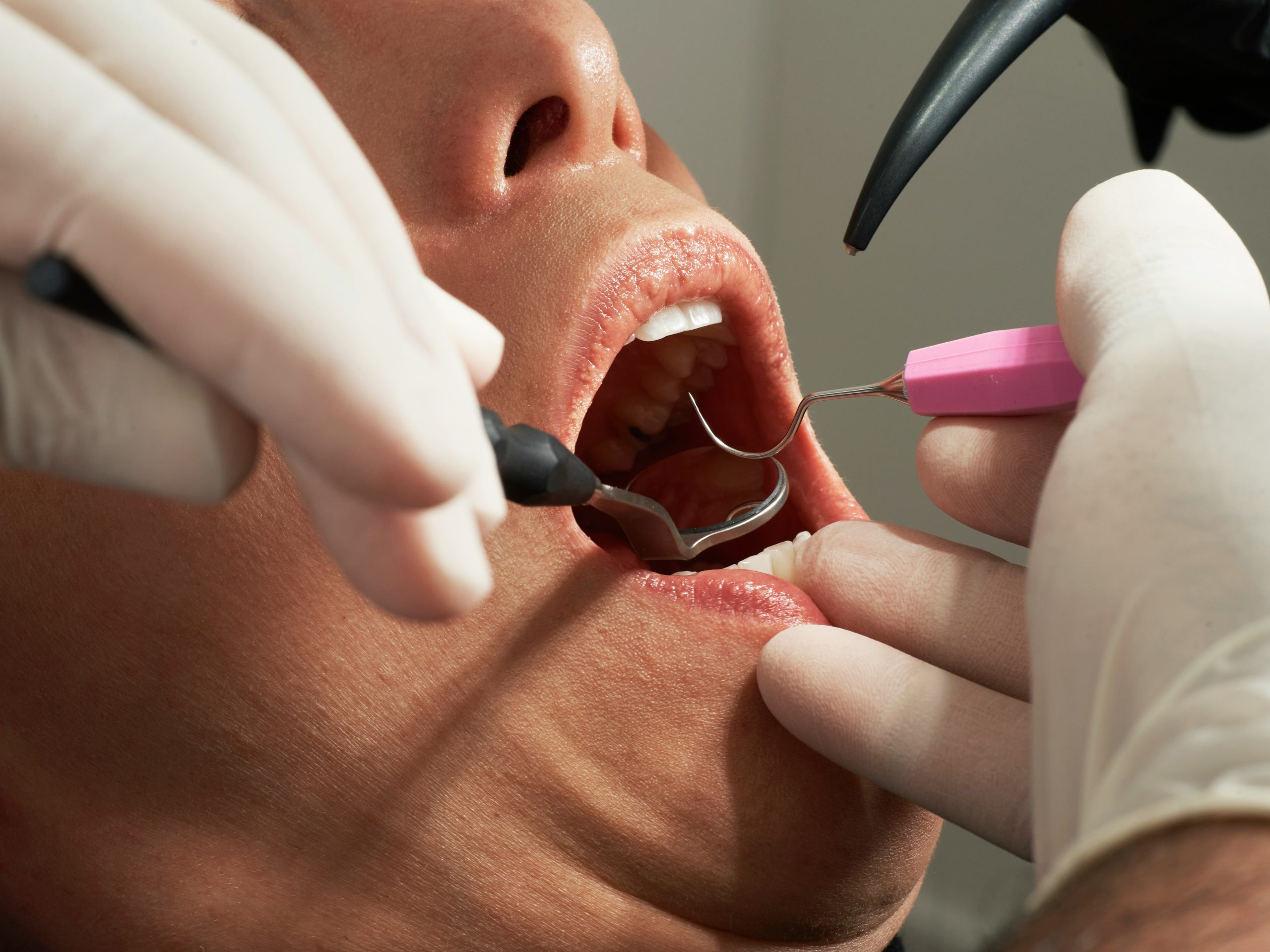
The perioperative nurse uses a comprehensive, multidisciplinary approach to patient care, assisting surgeons and surgical teams to care for patients before, during, and after surgery. Monitoring a patient’s condition during and after the perioperative surgery
Introduction
Peri-operative is a term to describe the entire span of surgery, including what occurs during and after the actual operation
Pre-Operative
Begins with the decision to perform surgery and continues until the client reaches the operating area
Intra-Operative
-Includes the entire duration of the surgical procedure, transfer of the client to the recovery area.
Post-Operative
Begins with admission to the recovery area and continues until the client receives a follow-up evaluation at home or is discharged to a rehabilitation unit.
Types of Surgery
Diagnostic
Removal and study of tissue to make a diagnosis(Pathology), exploratory or the use of scopes
Exploratory
The most extensive means involve exploratory or the use of scopes through a small incision.
Curative
Removal or replacement of defective tissues to restore function(like most procedures in Dentistry)
Palliative
Relief of symptoms, enhancement of function without cure, or appearance or change to a(thyroidectomy, Stage III and IV cancer patient)
Cosmetic-Correction of defects, improvement of appearance or change to a physical feature tooth loss, teeth whitening, or celebrities who want to change their appearance, shape of nose, hips, etc..
Categories of Surgery
Emergency
Urgent
Required
Elective
Optional
Pre-Operative Care
Pre-Op Nursing Care: Refers to the physical and psychological care that prepares a patient to undergo surgery safely. It begins when the patient is booked for surgery and ends with their transfer to the theatre or surgical suite.
Data collection through patient assessment
Patient/Family teaching
Emotional support
Care Planning
Planning of care for the intra-op and post-op periods, e.g. investigation, bathing, or cleaning or shaving the area to be operated on.
Communication of patient information to healthcare team members. Obtaining informed consent
Pre-op teaching
Physical preparation of the patient
Counselling
Pre-op Preparation of Patients
Post-op preparation of patients
Pre-Operative Goals
1. Provide information and emotional support for patients and their family members
2. Ensure all pre-operative data have been accumulated
3. Maintain the patient’s baseline hemodynamic status
This is where the majority of surgical patients and their families have their first direct contact with perioperative staff members. It should provide an environment for calming, informative interactions that should help the patient prepare for their surgical procedures.
Some patients come in very sick and anxious, and their families need much information to cope with their treatment, e.g., Ludwig angina, cancer, and loss of teeth.
Desirable Outcome of Pre-Op Medical Assessment
To reduce the patient’s surgical and anaesthetic perioperative mobility and mortality
To return the patient to as desirable a functioning as possible
Pre-Assessment
- Review Pre-op lab and diagnostic studies
- Review the client’s health history and preparation for surgery
- Assess physical needs
- Assess psychological needs
- Assess cultural needs
- Consent
Review Pre-Op Lab And Diagnostic Studies
Complete blood count
Blood type and cross-match transfusion readiness
Serum electrolyte (E&U&Cr);renal status
Urine analysis to rule out infections
Chest x-ray to check heart and lung status
Electrocardiogram ECG-on a patient>40 years baseline heart rhythm
Another test, e.g., prothrombin time
Radiographic studies,3D radiographs, ultrasound, etc.
Clothing profile-Prothrombin time,INR(International normalized ratio 0.8-1.2), aPPT,platelet count
Pregnancy-fatal risk of anaesthesia
History of present illness and preparation for surgery
Review of Health History and Preparation for Surgery
Medical conditions (pregnancy in females, acute or chronic conditions)
Past medical history
Previous hospitalisation and surgeries
History of any past problem with anaesthesia
Allergies, diet restrictions
Present medications (contraceptives, warfarin, aspirin, insulin)
Substance use: Alcohol, tobacco, street drugs
Review of systems
Notify the surgeon if the patient is uncooperative with specific instructions.
Assess Physical Needs
Ability to communicate
Vital signs
Level of consciousness (confusion, drowsiness, unresponsive)
- Weight and height
Skin integrity
Ability to move/ambulate
Level of exercise
Protheses
Circulatory Status
Assess Psychological Needs
Emotional state (and that of the relative)
Level of understanding of the surgical procedure, pre-op, and post-op instructor
Coping strategies
Support system-family, financial concerns
Roles and responsibilities
Assess Cultural Needs(Religious needs)
Language may need an interpreter
The religious praying period for Muslims
Surgical Consent Form
To be signed before surgery if the patient requires anaesthesia or has a risk of complication: determine the mental capability of the patient, and the ability to understand the benefit of procedure options.
Consent is required for invasive procedures, surgery, scopes, anaesthesia-related surgery, biopsy, and radiation sedation.
If an Adult is confused or unconscious, a family member or guardian must sign.
If the patient is less than 18 years old, the parent, legal guardian must sign.
If an emergency arises, surgeons and healthcare personnel must make an effort to obtain consent by telephone, WhatsApp, etc.
The Nurse is responsible for ensuring that all necessary parties have signed the consent form and it is in the client’s chart before the client goes to the operating room. At least two witnesses are required.
Pre-Op Teaching
Teach the client about surgical procedure expectations before and after surgery because pre-op, the patient is free from pain and more alert. The patient and family members can participate in recovery if they know what to do. The Nurse adapts patient instructions to what they can understand, the educational ability of the client..
Pre-Op Teaching Plan
Pre-op Medication: when anitsir effect
Post-op pain control
Explanation and description of the post-anaesthesia recovery room or post-surgical area
Discussion of the frequency of assessing vital signs and the use of monitoring equipment
Explanation and demonstration of deep breathing and coughing exercises, use of incentive spirometry, how to support the incision for breathing exercises and moving position change, and feet and leg exercises.
Information about intravenous fluids and other lines and tubes, such as nasogastric tubes. Pre-op teaching gives the client the chance to express anxiety and fears, a nd for the nurse to provide explanations that will help to alleviate fears.
Surgical Risk Factors
Age: Very young and elderly people (multiple medications, liver and kidneypatientss, poor sight, hearing loss, loose teeth, dentures)
Nutritional Status: Malnourished, low weight, obese
Medical Problems: hypertension, liver dysfunction, renal failure, diabetes,
Pregnancy: Fetal risk with anaesthesia
Respiratory disease: Pneumonia, COPD, Asthma
Immune disorder: Allergies
Pre-Op Preparation
Skin Preparation(Remove air in areas of surgery, Cleaning andantisepticsc)
Food and fluids
Care of valuables
Clothing and grooming (Provide blanket anti-malarial net, beddings)
Prostheses, glasses, nail polish, jewellery, and make-up were taken off, given to family, or stored for safety
Psychosocial Preparation
- Careful Pre-op teaching can reduce the fear and anxiety of the clients
Post-Operative Care
Immediate Post-op period and later Post-op Period
Initial assessment:
Airway
Effectiveness of respiration
Presence of artificial airways
Mechanical ventilation or supplemental oxygen
Circulatory status, vital signs
Wound conditions, including dressing and drains
Fluid balance, including IV fluids output from catheters and drains, and the ability to void
Level of consciousness and pain
Later Post-op Period
Ongoing assessment:
Respiratory conditions (may be related to the immobility effect of anaesthesia, analgesics, and pain)
General conditions
Vital signs
- Cardiovascular function
- Fluid status
- Pain level(Surgical invasion and manipulation of body structures)
- Bowel and urinary elimination
Dressing, tubes, drains, and IV lines, Risk of infection(Break in skin integrity, surgical incision site, care of drainage device)
Prevent deep vein thrombosis-ensure anti-embolic stockings
Nurses’ Responsibility in Post-Op Care
Ensure patent airway
Maintain adequate circulation
Maintain proper positioning
Check adequate fixing of drains, tubes, and IV infusions
Monitor potentialcomplicationss, e.g., wound breakdown
Feeding
Ensure medication and charts
Post-Op Complications
- Bleeding/haemorrhage
- Shock
- Hypoxia
- Aspiration
- Allergy-allergic reactions
Common Causes of Postponing Surgery ry
i.Acute upper respiratory tract infection
ii. Untreated medical diseases
iii.Inadequate resuscitation of patient in emergency(‘/3 fluid loss)in dehydrated patient and diastolic>100
iv. Failure to obtain informed consent
- Myocardial Infarction: 6 months
Nursing of the Trauma Patient
The facial skeleton can be roughly divided into 3 areas
1 The upper thind formed by the frontal bone
The middle third area extends downwards from the frontal bone to the level of the upper teeth (upper alveolus in an edentulous patient)
The lower thin or mandible
Fractures of the middle hind area are called the fractures of the Maxilla or upper jaw fracture, or better stil,the mid-facial fractureer.e
Fractures of the thlow-thinned mandibularar
Fractures of the facial skeleton are a complex of fractures referred to as ‘maxillofacial injuries with associated drive of involvement of soft tissues and neighbouring structures, which as the eyes and tongue. Examples of facial fractures
Desto-alveolar tracture1
Mandibelasnacture
Madillarytracture
Zygomatic complestractureAM
Nasal Bactane
Aetiology
Accident (motor vehicular accident, including Okada riding without a seat belt, without a helmet)
Anda
Fall from height
Recreational injuries
Gunshot injuries
Consequences of Facial Fractures
Death from trauma accounts for 5% of all deaths (WHO)
There are 3 recognised peaks of mortality:
- Mortality occurring in seconds due to irreversible brain injury or cardiovascular damage
- Within a few minutes to 1st hour, called GOLDEN HOUR
- Days to weeks post-trauma as a result of multi-organ failure despite good medical management
Triage decisions are crucial in determining individual patient survival and should be made at the highest possible level of medical expertise.
Pre-Hospital Care: Fully trained paramedic personnel improve survival during the vital first hour after the injury. Rapid response modern transportation ambulances with gadgets to help secure airway, cervical spine control, secure IV access, and initiate fluid resuscitation will go a long way to ensure survival. Hospital Care: A B C D E of secondary survey. A trained trauma team is essential.
First Degree Survey
Airway with C-spine control
Breathing and ventilation
Circulation and control of haemorrhage
Disability assessment and neurologic deficit
Exposure and environmental control
Secondary survey
Check and assess:
Head injury
Abdomen and pelvis
Extremity trauma
Nursing care: As prescribed by the attending doctor
C-Spine control – maintain semi-rigid neck collar, immobilised in the next position
Suction of the mouth to remove fluid and blood
Check loose teeth, remove dentures
Hypotension signifies loss of fluid (hypovolemia)
Blood transfusion may be necessary (check for signs of allergic reaction)
Monitor input of fluid and output of urine (fluid chart)
Monitor neurologic deficit on a 4-point scale AVPU
A-Respond appropriately is aware
V-Respond to verbal stimuli
P-Respond to painful stimuli
Does not respond, unconscious
Assess the need for intubation, muscle strength, and monitor ventilator support.
Exposure: All trauma patients must be fully exposed by cutting away clothing to ensure the environment is warm and the patient is protected from further harm.
Risk of meningitis if CSF rhinorrhea, give antibiotics medication as prescribed by the attending Surgeon.
Ensure medications are instituted as prescribed. Rectal diclofenac control of pain/powerful analgesic not needed
Cleaning, dressing, turning of the patient, soft tissue laceration for suturing with 8 hours of injury. Cleaning with warm water and cotton wool or hydrogen peroxide.
Second Degree Survey
A more detailed assessment is done here.
Glasgow Coma Scale measures the best response in 3 parameters for assessing head injury
Motor responsiveness
- Verbal performance
- Eye-opening
Also assess eye, nose, CSF-rhinorrhea
Check abdomen and pelvis-may require laparotomy
Check extremities
Supportive Measures
Pain and anxiety management
Seizure management
Hyperthermia management
Diuretic Therapy
Fluid management
Drug therapy
General Principles of Treatment of Mandibular Fractures
Consider the following:
The fracture pattern
Skill of the operator
Resources available
The general medical condition of the patient
Presence of other injuries
Degree of local inflammations and infections
Associated soft tissue injury or loss
Immediate Post Operative Phase
When the patient is recovering from General
Anesthesia
Px in the intensive care unit ICU
Skilled nursing services are required until the patient is conscious and systemically stable. It is a period of close observations.
Immediate postoperative resuscitation
Control of airway/ need for tracheostomy
Monitor the level of consciousness
Detection of circulatory failure
Detection of respiratory difficulties
Monitoring Abnormal Changes
Nurse patients lying on their sides; allow saliva or blood to escape
Suction nasopharyngeal secretions and buccal secretions
Instruments such as scissors and a wire cutter should be placed by the side of the patient for emergency use if the IMF is in place
Vision checks and visual acuity must be done and recorded as soon as the patient is conscious
Monitor initial signs and maintain fluid charts.
Intermediate Post-Op Care
The patient is now in the ward
Displacement of the surgical site should be checked and protected
A conscious patient should be nursed in a sitting position
Regular mouth baths are needed
Sedation is contraindicated. Opioids are not used as they depress respiration and cough reflexes. Opioids will also mask other abdominal signs.
Fractures of tooth-bearing surfaces require prophylactic antibiotics
Oral hygiene(Warm mouth bath, toothpaste)
Cleaning after every meal using normal saline supplemented by chlorhexidine
Lubricate your lips with petroleum jelly to prevent dryness and sticking together.r
Sodium bicarbonate solution also helps to clear away viscid mucous secretion.ns.
Feeding
Adequate nutrition depends on whether the patient is conscious and cooperative or not. If cooperative whenfoods d reintroduced, they should eat soft food. Even with the IMF, they can readily be fed by mouth with a semi-solid or liquid.
Diet
They should eat little and often. The transnasal gastric tube may be necessary in case of an unconscious patient to ensure adequate nutritional requirements. IV line to ensure parenteral fluid therapy.
Late Post-Operative
Testing for Union and removal of fixation
Reassurance for the patient, especially if paresthesia exists
Careful post-op monitoring of teeth
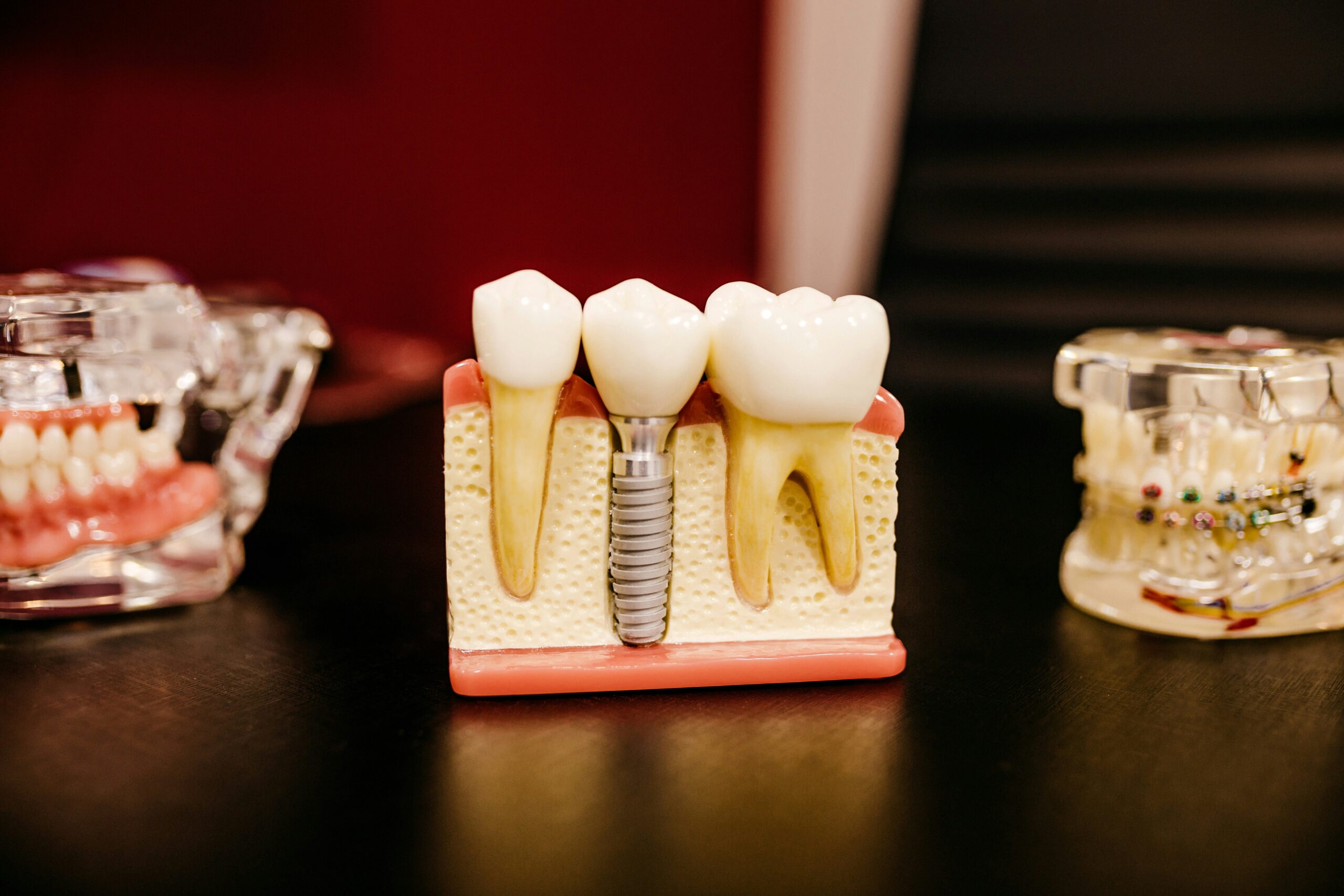
Where teeth are lost, replacement should be planned
Refer for restorative care and rehabilitation
Follow up
Documentation and record-keeping are important(all charts and theatre records must be kept)
Complications in management: Students should list all they know. Read more similar posts on our medicine and health page of the site.

 adminate



 Editors