These questions are for the entire household and are expected to be answered by the head of the household or any adult member. What is the main source of water used by your household for other domestic purposes, such as cooking and washing?
Introduction
This question is meant to record the main source of water supply for domestic usinto the household. Domestic uses include water for cooking, bathing, washing, etc. If the main source is seasonal, refer to the current main source. The response should fall into one of the following categories.
This question is for recording the main source of drinking water for the household. If the main source is seasonal, refer to the current main source. The response should fall into one of the following categories.
Bottled water (Including water dispenser): This consists of water packaged in plastic or glass bottles of varying sizes, which could be carbonated or not, and sold to households for drinking.
Water Supply for Domestic Use
Bottled water
Processed and bottled water, which includes a water dispenser.
Sachet water
Processed and packaged in polythene.Pipe-borne (Water) inside the Dwelling
This is the water supply to the premises through pipes laid by the Water Board/Corporations. Water rates are usually paid.
Pipe-borne water inside the compound
This is the main source of water for domestic use by the household is pipe-borne water obtained from inside the building/compound.
Fipe Bome (Water) outside Dwelling
If the main source of water for domestic use by the household is pipe-borne water obtained from outside the building/compound (.e, from a public standing pipe)
Borehole
This is a hole drilled in an area with a low water level. It is usually covered with a surface tank on top of it, where water is pumped into using a power-driven pumping machine. Pipes are usually connected to the surface tank to supply the whole building or building. If the household gets its water for domestic use from a borehole.
Protected Well
Surface wells are usually dug in areas where the water is not deep. Their surface area is not large, and they are normally not as deep as a borehole, thus making it possible to draw water manually using g wire/rope and a small bucket. Protected wells have cover lids to preserve the water from contamination. If the household draws its water from a well,
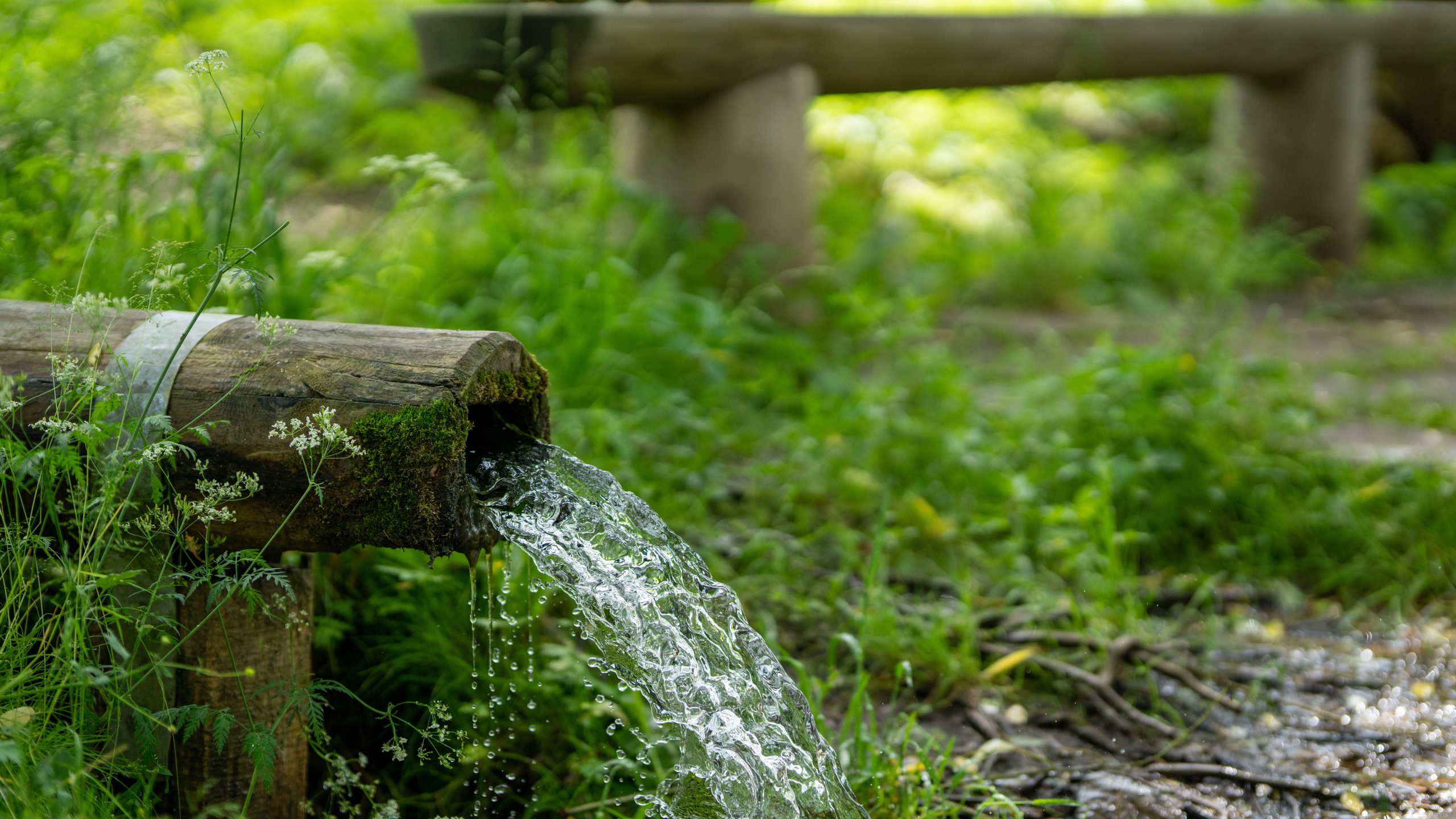
Protected Spring
This is a spring protected from runoff, bird droppings, and animals by a “spring box” which is typically constructed of brick, masonry, or concrete and is built around the spring so that water flows directly out of the box into a pipe without being exposed to outside pollution.
Rainwater collection
Some households have an in-house tank built to collect rainwater for household use. If this is the main source of water for domestic use in the household, then select 9′.Please note that the occasional collection of rainwater to supplement other main sources should be ignored.
In other words, for a household to be said to have rainwater as its main source of water for domestic use, this source(rainwater collection) should account for a higher proportion of the water (than other sources)used by the household for domestic use in a year. If the main source is seasonal, the above applies to the current main source of water for domestic use.
Tanker Supply
Water is obtained from a provider who uses a truck to transport water into the community. Typically, the provider sells the water to households for domestic use.
Water Vendor Cart supplied
In some areas/households, water vendors that use tricycles,/KekeMarwa/Animal animal-drawn carts, etc., are patronised regularly, particularly during the dry season. These vendors haul water that they have fetched from the neighbourhood or some distance away from the neighbourhood. Residents of such areas buy water from these vendors. If the household buys water regularly for domestic use.
Unprotected Well
Surface wells are usually dug in areas where the water level is not deep, but without a cover of any type. If the household draws its water from such a well for domestic use.
Unprotected Spring
This is a spring that is subject to runoff, and/or bird droppings of animals. Unprotected springs typically do not have spring boxes for protection. If the household gets water for domestic use from this source.
RiverStreamsam
This refers to natural running water with a source and a point of discharge. It normally runs every time, but the volume could reduce and may even dry up during the dry season. If the source of water for domestic use to the household is from any of the sources mentioned above.
Dam
This refers to an artificially created water body with an inflow of water embanked by either earth materials or concrete walls with regulated outlets. It is usually perennial and hardly dries up during the dry season. If the water for domestic use is from the source mentioned above.
Lake/Pond
This refers to a natural or artificially created water body with an inflow of water and may be naturally occurring due to the shape of the land or artificially dredged to hold water. It is usually perennial and hardly dries up during the dry season, and residents around it go there to fetch water. The water for domestic use is from the source mentioned above.
Other(Specify)
Some households may have other sources of water supply apart from those listed above. In such a case, specify the source of the water supply.
Sources of water for drinking
Sachet water (Pure water)
This is water packaged in heat-sealed plastic sleeves (polytene) and sold to households for drinking.
A pipe is inside the dwelling.
This is the water supply to the premises through pipes laid by water boards/corporations. Water rates are usually paid. For such a facility.
Pipe-borne (water) inside the compound..
If the main source of water for the household is pipe-borne borne it is obtained from outside the building but inside the compound.
Pipe-borne (water) outside dwelling/compound..
If the main source of water for the household is a piped waterborne borne, it is obtained from outside the compound.
Borehole
This is a hole drilled in an area with a low water level. It is usually covered with a surface tank on top of it, which is pumped using a power-driven pumping machine. Pipes are usually connected to the surface tank to supply the whole building or building. The household gets its water from a borehole.
Protected well
Surface wells are usually dug in areas where the water level is not deep. Their surface area is not large, and they are normally not as deep as a borehole, thus making it possible to draw water manually using twine/rope and a small bucket. Protected wells have cover lids to preserve the water from contaminants. The household draws its water from a well.
Protected Spring
This is o spring protected from runoff, Bird droppings, and animals by a “spring box “which is typically constructed of brick and masonry. Or concrete and is built around the spring so that water flows directly out of the box into a pipe without being exposed to outside pollution.
Rainwater collection
Some households have an in-house tank built to collect rainwater for household use. If this is the main source of water for drinking in the household, please note that the occasional collection of rainwater to supplement other main sources should be ignored.
In other words, for a household to be said to have rainwater as its main source of water for drinking, this source(rain-water collection) should account for a higher proportion of the water(than other sources) used by the household for drinking in a year If the main source is seasonal: the above applies to the main source of water for drinking.
Water Vendor
(Tanker Supply)Water is obtained from a provider who uses a truck to transport water into the community. Typically, the provider sells the water to households for drinking.
Water Vendor (human-pushed or Animal-drawn Cart/Tricycle (Mairuwa)and others)
In some areas and some households, water vendors are patronised regularly, particularly during the dry season. Water vendors hawk water that they have fetched from the neighbourhood or some distance away from the neighbourhood. Residents of such areas buy water from the vendors. If the household buys water regularly for drinking.
Unprotected Well
Surface wells are usually dug in areas where the water level is not deep, but without a cover, the household draws its water from such wells for drinking.
Unprotected Spring
This is a spring that is subject to runoff, and/or bird-dropping of animals. Unprotected springs typically do not have a”Spring box. If the household gets its drinking water from an unprotected spring.
Rivers/Streams
This refers to natural running water with a source of discharge. It normally runs every time, but the volume could reduce and may even dry up during the dry season. If the source of water for drinking in the household is any of the sources mentioned above.
Dam
This refers to a barrier constructed to hold back water and raise its level, forming a reservoir used to generate electricity or as a water supply. The source of water supply is the Dam.
Lake/Pond
This refers to a large area of water surrounded by land if the source of water is a lake or pond.
Others(Specify)
Some households may have other sources of water supply apart from those listed above. In such a case, specify the source of the water supply. You can read similar posts on our news page on the site.

 Editors
 adminate