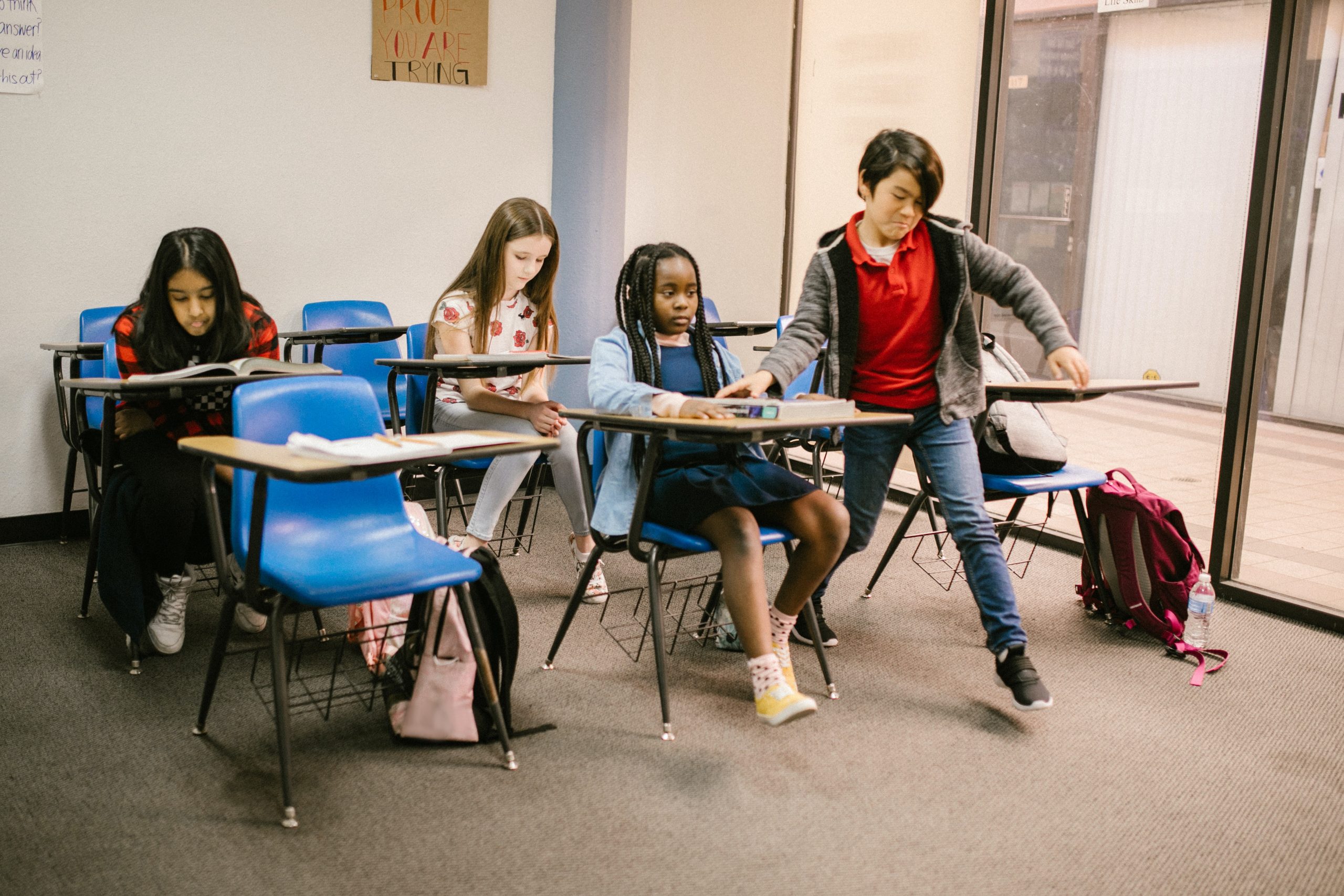
It will be an important role as a teacher to remember that there are individual differences among the children in the classroom. An aggressive child is a child who shows emotionally bad behaviour in the classroom.
An aggressive child,” yet rarely is the child simply a ‘bad kid,’ and it is important to isolate the child’s behaviour from their person. Aggressive behaviour may be the only prevalent aspect of a child’s personality.
It can be addressed with success when teachers are kind, consistent, fair, and relentless in establishing a one-on-one connection. It is the role of a teacher to assist those children and normalise their bad behaviour.
1. Kindness
If the teacher is kind, he will overcome and handle an aggressive child successfully in the classroom. A child with aggression issues often antagonises others and is drawn to physical fighting or verbal arguments.
They might be the “class bully” and have few real friends. They may prefer to solve problems by winning fights and arguments. Be kind to them and advise them.
2. Consistency
Consistency is the key to achieving success in certain things. If you want to handle an aggressive child successfully, you need to counsel consistently.
Children displaying aggressive behaviours often threaten other students, and these students, in turn, rn often fear the aggressor, who delights in showing themselves as a fighter, both verbally and physically. Through your effort as a teacher, you will get the child back to you. Your consistency matters.
3. Fairness
Fairness is treating others equally. If a teacher makes a mistake, treats the child unfairly in the classroom, and the child discovers this bias, it can turn the child into an aggressive child. Also, Children can be aggressive for many reasons.
Their behaviour, whether inside or outside the classroom, may result from environmental stresses, neurological issues, or emotional coping deficits. Some children have (hereditary) disorders or illnesses that make it difficult for them to manage their emotions. But if the child is fair enough in treating them, it will handle all the issues and overcome the aggression of the concerned child.
4. Relentlessness`
A good teacher must be relentless in handling the bad behaviour of the child. At times, a child with these tendencies also lacks self-confidence and aggressive behaviour.
In this case, children who display aggression enjoy the attention they receive for being aggressive. The relentlessness of a teacher can conquer it. It is important for a good teacher to be up and doing to make sure that they assist such a child to overcome his/her bad behaviour.
5. Patience
Patience can solve issues immediately. The child that a teacher creates a time for will be loved adequately. When he threatens other children in the classroom, they become a leader of some renown.
The child may not be receiving the sufficient amount of love, connection, or affection that they need, and they try to get at least some of these through aggression. Aggressive behaviour is a very secure way of connecting with others. Patience is the only weapon that changes such a child.
If the child lacks self-confidence, the child usually knows that their aggressive behaviour is inappropriate, but the patience of the teacher to listen to the child and be ready to help him/her will be of help.
6. Relationship
The relationship with the aggressive child may solve the issue, and through a relationship, you can handle him or her successfully in the classroom.
It is because children are born with a full range of emotions, and it is the role of their environment, of the people around them. A teacher should show relationships and be concerned with their affairs.
7. Avoidance of power struggle
Ideally,t a teacher should not abandon or ignore inappropriate aggression. However, try to be wise in not getting drawn to them and a power struggle with the aggressor. If you get closer to him/her when he/she is angry, he/she can hurt you.
8. Firmness, calmness, and gentleness
The child who exhibits aggressive behaviour can handle your tough side, but they will succumb to gentleness. That’s what they really want—the right kind of attention. Try to stay calm. A child can express bad feelings and emotions.
When a child does this and the teachers show unconcerned in the classroom, it can increase the child’s aggression. In this case, the teacher will try to calm emotions, regulate their show concern, and make the child happy.
9. Be genuine
It is expected that a teacher should be genuine and well-coordinated to deal with the bad behaviour in a child.
Teachers should know and establish a one-on-one relationship with the child. This will make the child feel cared for and adequate by the teacher. The teacher should deal one-on-one with the child to solve the issue.
10. Search for positives
If you want to help the child with bad behaviour, catch the child behaving well and provide immediate, positive feedback.
With time, you will see that aggressive behaviours will start to diminish. You should provide opportunities for this child to act appropriately and get some strongly needed attention.
It is important to give them responsibilities and provide praise. A teacher should provide the child with activities that bring forth leadership in a positive way.
A teacher must always let children know that yoyou trustrespected, and cared about. A teacher should remind the child that it’s only the inappropriate behaviours that you don’t like, and not them. A good teacher should draw his/her attention to them.
11. Appropriate rewards
A teacher is expected to motivate an aggressive child with a reward. You should not solely focus on behaviour or emotion. You should try rewards or gifts to encourage and motivate him/her.
Rewards and gifts are devices of motivation and reinforcement. An aggressive child can be normalised when a teacher motivates the aggressive child with rewards and gifts. Learn the similar post on this page.
 Editors


 adminate